What are the main differences in functionality between a sunroom and a veranda sunroom
The main differences between a sunroom and a veranda sunroom lie in their design and usage. A sunroom is fully enclosed, providing a comfortable, year-round space that maximizes natural light. In contrast, a veranda sunroom typically combines elements of a porch and sunroom, offering a more open, semi-enclosed space ideal for seasonal use, with partial protection from the elements.
The main differences between a sunroom and a veranda sunroom lie in their design and usage. A sunroom is fully enclosed, providing a comfortable, year-round space that maximizes natural light. In contrast, a veranda sunroom typically combines elements of a porch and sunroom, offering a more open, semi-enclosed space ideal for seasonal use, with partial protection from the elements.
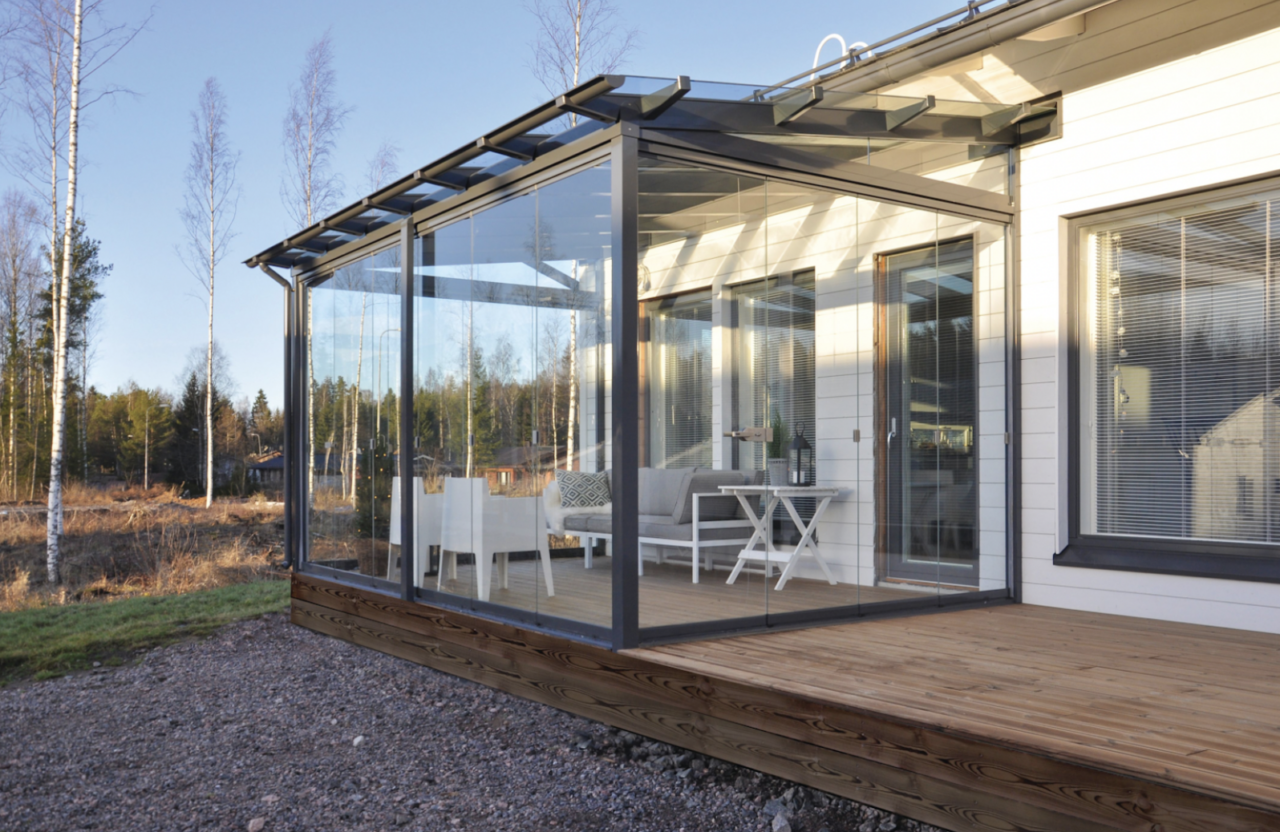
Heating and Insulation
Sunroom: A sunroom is designed to be a year-round living space. It is typically heated and insulated, allowing it to maintain a comfortable temperature regardless of the season. This makes it suitable for use throughout the year, even in colder months.
Veranda Sunroom: In contrast, a veranda sunroom generally lacks the same level of insulation and heating. While it provides some shelter from the elements, it is often not designed for year-round use, making it more suitable for warmer month.
Structure and Design
Sunroom: Sunrooms often feature large glass windows and sometimes glass roofs, creating an open and airy environment that maximizes natural light. They are built as extensions of the home and can include various design elements that enhance their functionality as living spaces.
Veranda Sunroom: A veranda sunroom might incorporate elements of both a sunroom and a traditional veranda. It may have some open areas, allowing for more direct exposure to outdoor conditions while still providing some degree of enclosure. This can make it feel less like a fully integrated part of the home compared to a standard sunroom.
Seasonal Use
Sunroom: Designed for continuous use, sunrooms can serve multiple purposes—such as a dining area, home office, or relaxation space—regardless of the season. They are often constructed with energy-efficient materials that help regulate indoor temperatures.
Veranda Sunroom: Typically used during warmer months, veranda sunrooms are ideal for enjoying the outdoors while being partially sheltered. They may not be as comfortable in extreme weather conditions, limiting their functionality during colder seasons.
While both sunrooms and veranda sunrooms enhance living spaces by providing light-filled areas to enjoy the outdoors, their primary differences lie in their insulation, heating capabilities, structural design, and suitability for year-round use. Sunrooms are more versatile and functional throughout the year, whereas veranda sunrooms are better suited for seasonal enjoyment.