How can I create a modern floating staircase
Creating a modern floating staircase requires meticulous planning, innovative design, and expert execution. This process goes beyond just aesthetic and functional considerations; it also demands careful attention to the structural integrity and safety of the design.
Creating a modern floating staircase requires meticulous planning, innovative design, and expert execution. This process goes beyond just aesthetic and functional considerations; it also demands careful attention to the structural integrity and safety of the design. Below is a detailed step-by-step guide to help you navigate the entire project, from initial concept to final installation, ensuring that each stage is carefully planned and flawlessly executed.
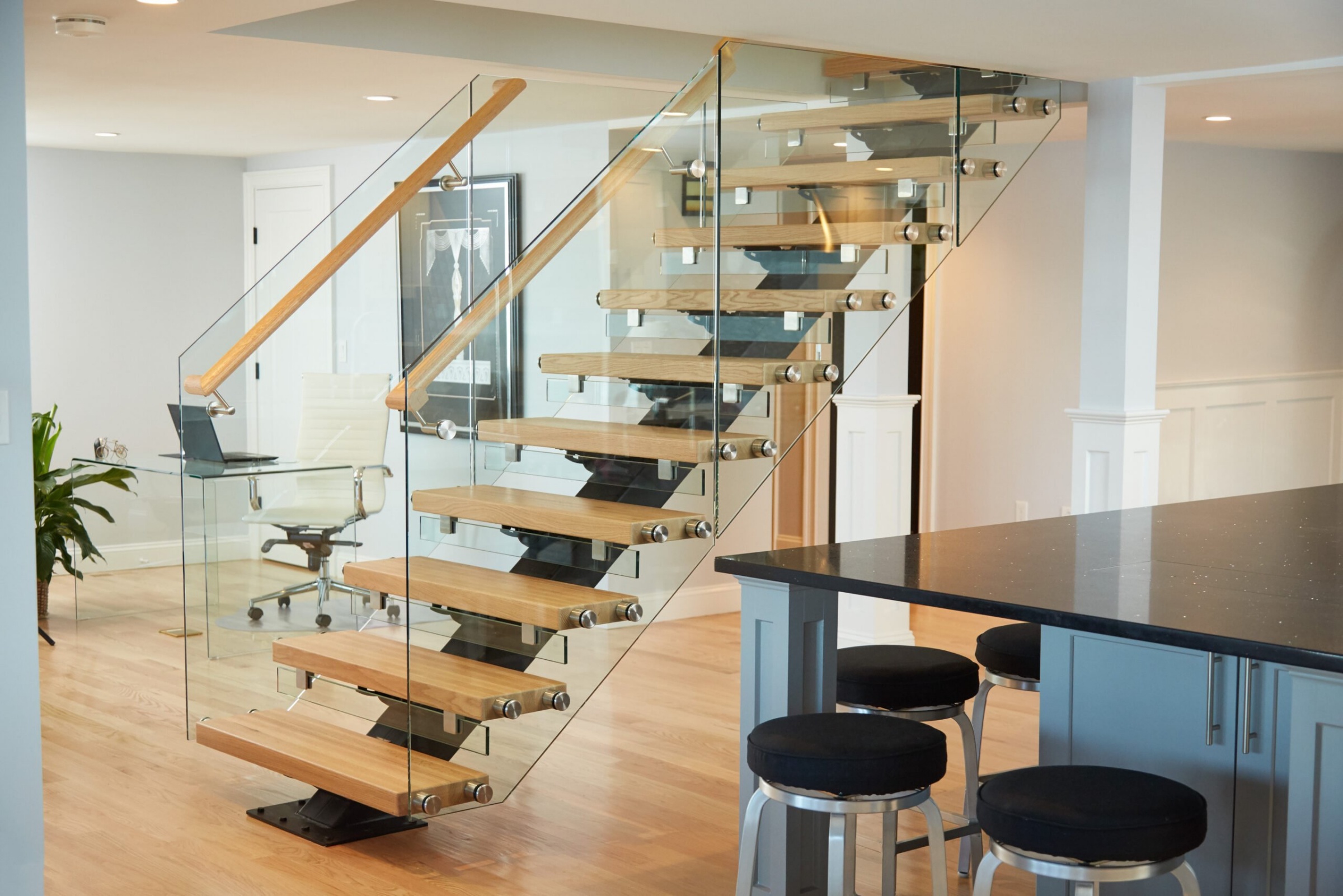
Planning Your Floating Staircase
1. Assess Your Space
Measure the Height: Determine the floor-to-floor height where the floating staircase will be installed.
Evaluate Width and Layout: Consider the width of the floating staircase and how it will fit within your space, including any turns or landings.
2. Understand Building Codes
Research local building codes for stair dimensions, load-bearing requirements, and safety regulations. This ensures that your design is compliant and safe for use.
3. Choose Your Design Style
Decide on the overall aesthetic you want to achieve. Floating staircases can be made from various materials, including wood, metal, glass, or concrete. Each material offers a unique look and feel:
Wood: Warm and inviting; suitable for traditional or contemporary designs.
Metal: Provides a sleek, industrial look; often used with wood or glass.
Glass: Creates an open feel; visually striking but requires careful maintenance.
Concrete: Offers durability and a modern industrial aesthetic.
Designing the Structure
4. Select a Support System
Floating staircases can be supported in several ways:
Cantilevered Design: Treads are anchored to a wall or hidden stringer, creating the illusion of floating.
Wall-Mounted Treads: Each tread is fixed directly to a solid wall using heavy-duty anchors.
Central Spine: A central support beam can hold multiple treads, allowing for wider designs.
5. Create Detailed Blueprints
Draft detailed plans that include dimensions, materials, and installation methods. This blueprint will guide your construction process.
Construction Steps
6. Gather Tools and Materials
Essential tools include:
Measuring tape
Level
Drill
Saw (wood or metal)
Screwdrivers
Wrench set
Stud finder
7. Prepare the Workspace
Clear the area where you will be working and ensure you have adequate lighting and safety equipment (gloves, goggles).
8. Install Support Structures
If using a cantilevered design:
Locate wall studs using a stud finder.
Mount brackets or stringers securely to the wall with heavy-duty fasteners.
Ensure everything is level before proceeding.
9. Attach Treads
Cut your treads to size if necessary. Use construction adhesive along with screws or bolts to secure each tread to its supports. Ensure each tread is level as you go.
10. Add Railings
Install railings for safety. Glass railings are popular for floating staircases due to their minimalistic appearance but ensure they are securely anchored.
Finishing Touches
11. Lighting Options
Consider integrating LED lighting under each tread for added ambiance and safety.
12. Final Inspection
Inspect all connections and ensure everything is secure before using the staircase.
By following these steps, you can create a stunning modern floating staircase that enhances your home’s aesthetic while ensuring safety and functionality. Whether you choose to DIY or work with professionals, careful planning and attention to detail are key to achieving your desired result.