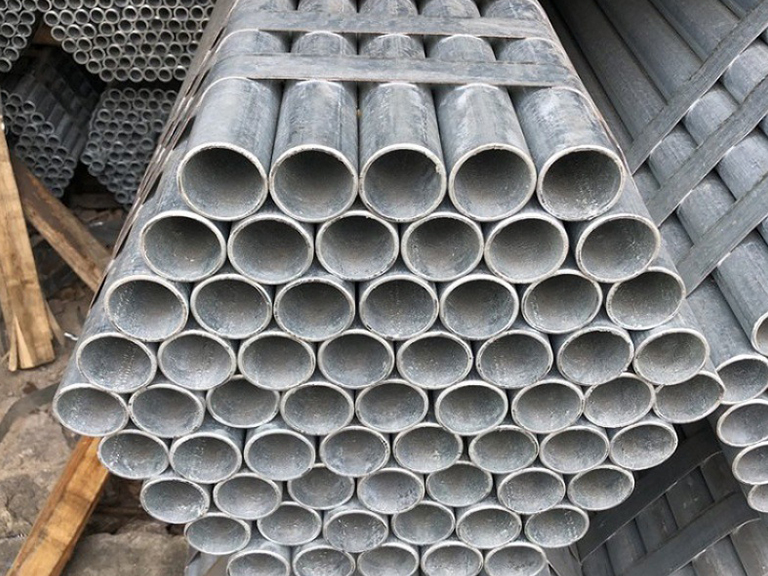
What is a reinforced steel bar?
Discover the vital role of reinforced steel bars in construction! This comprehensive guide delves into their key properties, diverse applications, and significant benefits in bolstering structural strength and durability. Learn how these essential components enhance the safety and resilience of buildings and infrastructure, making them indispensable for civil engineering projects and beyond.
As the world continues to grapple with the infrastructural demands of a growing population, the construction industry is turning increasingly towards innovative materials that promise not only strength but also sustainability. One such material that has emerged as a cornerstone of modern construction is reinforced steel bars, commonly known as rebar. This comprehensive guide explores the vital role that rebar plays in construction, its key properties, diverse applications, significant benefits, and how it continues to shape the civil engineering landscape.
Key Properties of Reinforced Steel Bars
Reinforced steel bars are well-regarded for their impressive tensile strength, making them critical in reinforcing concrete structures. Standard specifications indicate that these bars typically exhibit a yield strength ranging from 250 MPa to 600 MPa, a range that can be adjusted according to the structural needs. They are manufactured in various grades and sizes, with common diameters ranging from 6mm to 50mm.
Moreover, rebar is designed with deformations—surface patterns that enhance its bond with concrete. This structural integration is essential, as concrete, while robust in compression, is inherently weak when it comes to tensile forces. Thus, the combination of rebar and concrete provides a synergy that can withstand not only the loads from the environment but also the forces exerted by the building’s occupants and contents.
Diverse Applications of Reinforced Steel Bars
Reinforced steel bars find applications in virtually every facet of construction. They are integral to the following structures:
High-Rise Buildings: In urban environments where land is scarce, vertical construction becomes paramount. Reinforced concrete frames supported by rebar are crucial in high-rise buildings to ensure stability against wind, earthquakes, and other dynamic forces.
Bridges: The construction of bridges demands exceptionally strong materials that can withstand tension and compression. Rebar is essential in creating the structural integrity required for both vehicular and pedestrian traffic.
Dams and Water Retaining Structures: The construction industry widely utilizes rebar to create durable and resilient water-retaining structures, such as dams and reservoirs, ensuring they can withstand hydraulic pressure.
Foundations: The foundation of any building is the bedrock of its safety and longevity. Rebar-enhanced concrete slabs, pile caps, and footings provide enhanced stability and load distribution for buildings.
Industrial Structures: Factories and warehouses, which often require expansive and open layouts, rely on reinforced concrete systems for column-free interiors alongside the requisite structural integrity to support heavy machinery and inventory loads.
Significant Benefits of Reinforced Steel Bars
Integrating reinforced steel bars into concrete mixes holds numerous benefits, many of which are vital for safety and durability:
Enhanced Strength: The primary function of rebar is to provide enhanced strength to concrete structures. This resilience helps them endure more significant stresses and reduces the risk of cracks and failure.
Improved Durability: Structures built with rebar are less susceptible to cracking under various stresses, prolonging their lifespan. This durability translates into less frequent repairs and lower maintenance costs.
Resistance to Natural Disasters: In regions prone to earthquakes, hurricanes, or floods, reinforced structures exhibit superior resistance to such natural disasters. The ability to absorb and dissipate energy helps them remain intact and safe for occupants.
Cost-Effectiveness: Although the initial cost of incorporating reinforced steel bars can be higher, the long-term savings due to reduced maintenance, repairs, and extended lifespan render it a cost-effective solution in the long run.
Environmental Sustainability: With the construction industry increasingly striving for sustainability, employing rebar in design minimizes material usage while maximizing strength. Furthermore, many companies now source recycled steel to produce rebar, providing an eco-friendly alternative.
Current Market Hotspots
The demand for reinforced steel bars is soaring, driven by a global uptick in construction activities. As of late 2023, several markets are showcasing significant growth in rebar consumption:
Asia-Pacific: Countries like India and China continue to lead the charge in construction due to urbanization and infrastructure development initiatives. The Asia-Pacific market is projected to grow at an unprecedented rate, with extensive government investments in public infrastructure projects.
North America: The United States and Canada are witnessing a boom in residential and commercial construction. Green building initiatives and the push for resilient infrastructure in the wake of recent natural disasters have accelerated the demand for reinforced concrete elements.
Middle East: The Gulf Cooperation Council (GCC) countries are ramping up construction to diversify their economies away from oil dependency. Massive projects, including smart cities and infrastructure megaprojects, are driving significant demand for rebar.
Latin America: Brazil and Mexico are in need of modern infrastructure upgrades, thus presenting opportunities for enhanced use of reinforced steel bars in both public and private sectors.
Europe: With the European Union emphasizing sustainable construction practices, the demand for environmentally friendly rebar solutions, such as those made from recycled materials, is on the rise.
Industry Challenges
While the market for reinforced steel bars continues to flourish, several challenges persist:
Supply Chain Disruptions: The global supply chain is still recovering from the impacts of the COVID-19 pandemic, which has resulted in fluctuating prices and shortages of raw materials essential for rebar production.
Raw Material Costs: The cost of steel has seen significant fluctuations recently due to geopolitical tensions and trade disputes. These price variations often impact the cost of construction projects and can create budget constraints for developers.
Sustainability Concerns: As construction materials contribute significantly to global carbon emissions, the industry faces pressure to adopt greener practices. This entails a transition towards alternative materials and manufacturing processes.
Looking Ahead
The future of reinforced steel bars appears promising, bolstered by innovative advancements and sustainability goals. Various companies are now investing in research and development to explore alternatives that provide the strength of traditional rebar while minimizing environmental impact. These innovations could include fiber-reinforced composites and eco-conscious alternatives that meet stringent building codes.
Moreover, as smart city initiatives gain traction, the need for durable, flexible structures that can adapt to changing environmental conditions will propel further research into reinforced materials. Collaborations between civil engineers, material scientists, and construction companies will ultimately pave the way for safer, more durable urban and infrastructural environments.
Conclusion
Reinforced steel bars are undeniably an indispensable component of modern construction. Their unique properties, coupled with significant benefits, make them a foundational element in constructing resilient structures. As global demands for infrastructure grow, so does the necessity to ensure safety, durability, and sustainability through innovative materials like rebar. As the industry evolves, ensuring that these essential components meet the world's future construction needs will be crucial, ultimately shaping the cities and infrastructures of tomorrow.