What is the development status of smart watches? Is the development status of smart watches good
Wearable devices are still in the exploratory period, and the industry has not shown a trend of rapid growth.
Wearable devices are still in the exploratory period, and the industry has not shown a trend of rapid growth. Startups, smart phone brands, PC brands, Internet brands, sports and health service brands and other industrial participants have poured in one after another to launch corresponding products based on their own advantages. So, is the development status of smart watches really as good as you think? What will happen in the future?
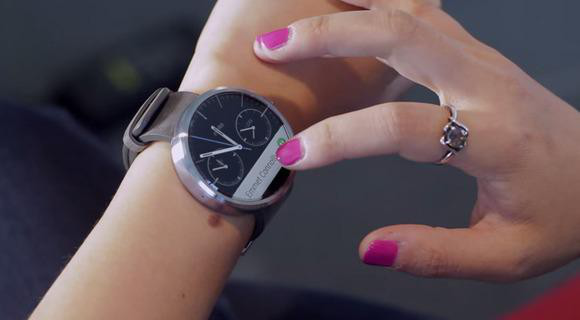
Smart watch should pay attention to differentiation
As a wearable device, smart watches have two forms at present. One is based on Android and other mobile operating systems, with independent call and Internet functions, which is essentially a reduced version of smart phone; Another kind of smart watch, based on the real-time operating system, does not have an independent mobile network module. It must be connected with other smart devices. It can receive calls / SMS notifications from smart phones and control some functions of smart phones. Both smart watches have other functions such as health indicator detection and motion recording, and can use paired smart devices to synchronize and analyze data.
According to GfK survey data, functionality, price, brand, motion monitoring, accuracy, ease of use, product design and endurance are the main concerns of consumers when buying smart watches. Chinese consumers believe that the accuracy of smart watches is the most important factor, followed by activity records and brands. In this regard, the survey results clearly reflect the great interest of Chinese consumers in brand products. In addition to China, the price of smart watches was considered the most important purchase influencing factor in other countries participating in the survey. The function ranks second in most countries, and the function of monitoring and displaying activity and health data ranks third.
From the perspective of product functions, different countries and regions have different requirements for product functions, which is different from relatively standardized smart phones, tablets and other products, which puts forward requirements for product design differentiation. In Germany, 1 / 4 of the respondents considered capturing sports, health and fitness data as the most important application, followed by more traditional time display (20%) and making phone calls (11%). In the UK, the most mentioned applications are monitoring activity and health (28%), followed by the traditional watch function (15%) and the GPS function of the smart watch (10%). For Chinese consumers, the activity monitoring function (35%) ranks first in the application category, followed by the telephone function (16%), and the GPS function (11%) ranks third. American consumers think that the most important applications are also pointed to activity monitoring (29%), followed by traditional watch functions (13%), followed by weather forecasting, notification and News Express applications (10%). Korean respondents said that their first application was activity monitoring (27%), the second was telephone function (21%), and the third was application use (11%). Respondents from different countries show different degrees of differences in the application of product functions, which indicates that smart watches, as new mobile terminal products, should meet the needs of different market segments and segments of the population to the greatest extent. It is worth noting that 84% of the respondents in the Chinese market believe that smart watches should have the function of SIM cards.
Scenario based application has broad prospects
As a wearable device, smart watch has functions such as smart phone notification, motion monitoring and fitness monitoring. On the other hand, it is more important to apply in scenarios. Although smart watches are still in the early stage of development, there is no doubt about the development direction of smart watches. On the one hand, it needs to meet the segmentation needs of consumers; on the other hand, smart watches will play different roles in different scenarios. GfK asked 1000 smart phone users in each market whether they were interested in using some specific functions of smart watches on the premise of storing and sending data safely. The survey shows that smart watches have broad application prospects. The applications that the interviewed consumers are interested in at present mainly include obtaining sports activity information, satellite navigation, telephone functions and applications. Since the smart watch is worn on the wrist, it is also suitable for identity verification, "portable" ticketing or payment at the cashier.
It is worth mentioning that only users in the United States and China are interested in paying with smart watches. Theoretically speaking, it is more convenient to use a smart watch at the cashier than to use a smart phone. However, in the five countries surveyed, only 35% of the respondents are currently interested in paying with a smart watch. The real potential of this means of payment lies in China, with 54% of Chinese respondents expressing interest. The proportion in the United States is 40%, while that in South Korea and the United Kingdom is only 28% and 27%, respectively. In Germany, only 20% of respondents said they would pay with smart watches.
For more information, please visit okoume marine plywood suppliers, Marine plywood for wet areas, make shelves out of plywood.