Aluminium Sheet: A Comprehensive Guide
Aluminium sheet metal is a versatile material used across a wide range of industries, from automotive and aerospace to construction and electronics. Its lightweight, corrosion-resistant properties, combined with its ease of fabrication, make it an ideal choice for various applications.
Aluminium sheet metal is a versatile material used across a wide range of industries, from automotive and aerospace to construction and electronics. Its lightweight, corrosion-resistant properties, combined with its ease of fabrication, make it an ideal choice for various applications. Understanding the thickness of aluminium sheets is essential for selecting the right material for specific projects, as it directly impacts the strength, weight, formability, and cost of the product. This comprehensive guide aims to explore aluminium sheet thicknesses, factors to consider, and how to choose the appropriate thickness for your needs.
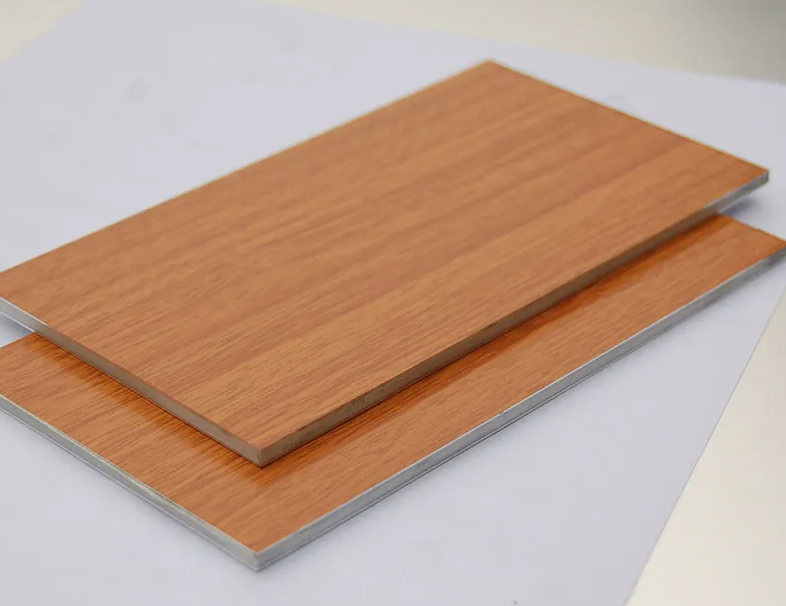
3D Wood Color Coated Coils
Understanding Aluminium Sheet Metal Thickness
The thickness of aluminium sheet metal is typically measured in either gauges or millimeters (mm), depending on the region or standard.
-
Gauge System: In the United States, the gauge system is commonly used to express the thickness of sheet metal. However, the gauge number is inversely related to thickness, meaning the higher the gauge, the thinner the sheet. For example, a 16-gauge sheet is thicker than a 24-gauge sheet. The gauge system can be somewhat confusing, but here's a general breakdown of common aluminium sheet gauges:
-
14 gauge: 1.98 mm (0.0781 inches)
-
16 gauge: 1.59 mm (0.0625 inches)
-
18 gauge: 1.27 mm (0.0500 inches)
-
20 gauge: 0.91 mm (0.0359 inches)
-
22 gauge: 0.80 mm (0.0313 inches)
-
24 gauge: 0.51 mm (0.0200 inches)
-
-
Millimeters (mm): In other regions, especially in Europe, thickness is usually measured in millimeters, and the numbers are more intuitive. For example, a 1mm thick sheet of aluminium is exactly 1 millimeter thick.
Factors to Consider When Choosing Aluminium Sheet Thickness
Selecting the right thickness of aluminium sheet depends on several factors, including the intended application, strength requirements, and desired flexibility. Here’s a breakdown of key considerations:
1. Application and Purpose
-
Lightweight applications: If the primary concern is reducing weight, such as in automotive or aerospace applications, thinner aluminium sheets are preferable. Sheets around 0.5 mm to 1.5 mm are commonly used in these industries to provide structural support without adding excess weight.
-
Structural applications: For structural elements that need additional strength, such as in construction or heavy machinery, thicker aluminium sheets (3 mm or more) are often required. Thicker sheets offer better resistance to deformation under heavy loads.
-
Decorative and non-structural applications: For decorative uses, such as in signage, interior panels, or kitchen appliances, thinner sheets (0.5 mm to 2 mm) are commonly used. These sheets are easier to form and shape, making them suitable for various finishes and designs.
2. Strength and Durability
The thicker the aluminium sheet, the more durable and stronger it becomes. However, increasing the thickness also increases the weight and material cost. For projects that demand high strength or are exposed to harsh conditions, such as outdoor environments or extreme temperatures, thicker sheets are necessary.
For example:
-
Thin sheets (0.2 mm to 1 mm): Used for non-structural purposes like packaging, cladding, or light covers.
-
Medium thickness sheets (1 mm to 3 mm): Ideal for general fabrication and manufacturing of products that require a balance between strength and flexibility, such as brackets, panels, and vehicle body parts.
-
Thicker sheets (3 mm and beyond): Used for applications that demand high-strength properties, including heavy machinery, industrial components, and structural elements in construction.
3. Formability and Workability
-
Thinner Sheets: Aluminium sheets thinner than 1.5 mm are often easier to form, bend, and cut. These sheets are commonly used for products that require intricate designs or curved surfaces, such as decorative panels or consumer electronics casings.
-
Thicker Sheets: Aluminium sheets with a thickness greater than 3 mm are less flexible and may require specialized equipment, such as high-pressure machines or press brakes, to form and manipulate. While thicker sheets are not as easily shaped, they provide excellent resistance to wear and tear.
4. Cost Considerations
Thicker aluminium sheets generally cost more per unit of material. Therefore, when working with tight budgets, it’s important to balance the required strength and formability with the available budget. For low-cost, lightweight applications where strength is not a primary concern, opting for thinner sheets may be more cost-effective.
5. Corrosion Resistance
Aluminium’s natural corrosion resistance increases with thickness. Thicker sheets can withstand exposure to harsh environmental conditions, making them suitable for outdoor and marine environments. Additionally, anodized or coated aluminium sheets provide enhanced protection against corrosion, regardless of thickness.
Common Aluminium Sheet Thicknesses for Specific Applications
-
Automotive and Aerospace: Aluminium sheets used in these industries typically range from 0.5 mm to 3 mm in thickness. Thinner sheets are used for non-structural panels, while thicker sheets are used for structural components and engine parts.
-
Construction: In construction, especially for roofing and siding, aluminium sheets often range from 0.5 mm to 4 mm thick. Thicker sheets (around 3 mm) are used for structural support, while thinner sheets are used for cladding and decorative purposes.
-
Electronics: For electronics enclosures, especially those requiring shielding or lightweight structural support, aluminium sheets between 0.5 mm and 1.5 mm are common. Thicker sheets may be used for specific structural components.
-
Signage and Decorative Applications: Aluminium sheets used for signs or decorative products often have a thickness of 0.5 mm to 2 mm. These sheets are light, easy to handle, and can be easily printed or engraved.
-
Food Processing and Packaging: Aluminium sheets used for packaging and food containers typically range from 0.2 mm to 1 mm. Thin sheets are lightweight, cost-effective, and easy to shape into containers, trays, or foils.
Conclusion
Aluminium sheet metal is a highly versatile material that comes in a wide range of thicknesses, each suited for specific applications. When selecting the appropriate thickness, it’s essential to consider the application’s requirements, including strength, formability, weight, cost, and environmental conditions. Whether for lightweight automotive panels or durable construction materials, understanding the nuances of aluminium sheet thicknesses ensures optimal performance, efficiency, and cost-effectiveness.